Categories
Field Notes

The Day They Came: Recounting the LRA’s Invasion of Teso Sub-region through Obalanga Sub-county in 2003, FN XIV

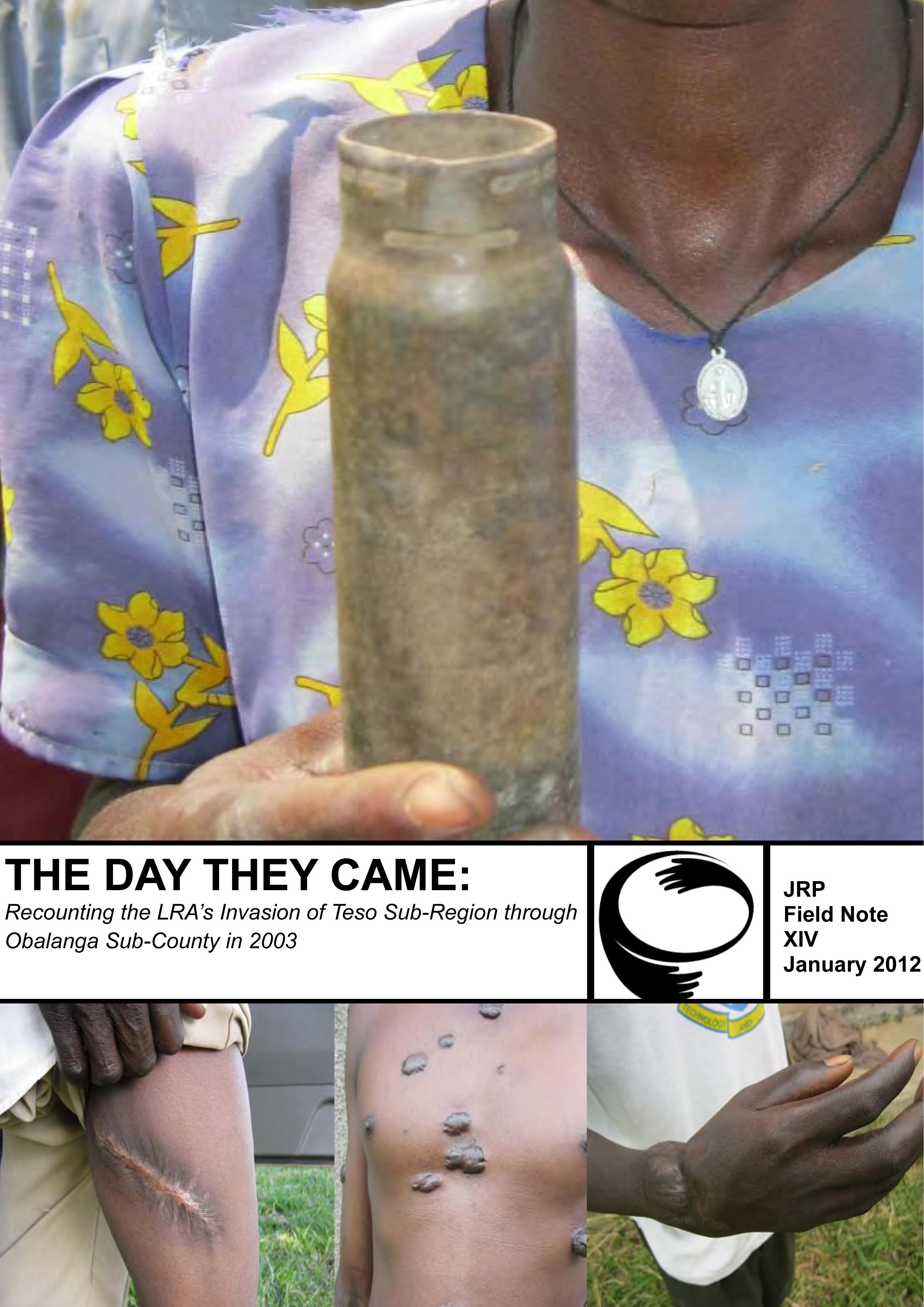
Obalanga Cover
A survivor of the helicopter bombings in Angica B displays a bomb shell from the helicopter gunship, and survivors display injuries they received at the hands of the LRA.

In June 2003, the LRA infiltrated Teso sub-region in eastern Uganda for the first time. The civilian population and the government army were caught unaware, a factor which had disastrous humanitarian implications. In line with their trademark pattern of atrocities, the rebel soldiers carried out killings, abductions, maiming, looting, rape burning and pillaging. By the time the UPDF repulsed them almost 8 months later, approximately 90% of the population in Teso sub-region had been displaced into internally displaced persons (IDP) camps, several thousand children had been abducted and thousands of people had lost their lives and property. This report explores the impacts of the LRA incursion into Teso sub-region using case studies and victims’ testimonies from Obalanga sub-county in Amuria district, in addition to making recommendations to relevant stakeholders.

Erratum: 

Please note that the following change have been made to Field Note XIV

The heading:

“Appendix D: Identity Cards of Some of the Victims Who Perished in theHelicopter Gunship Bombings in Angica B and Morungatuny”

has been ammended to read

“Appendix D: Identity Cards of Some of the Victims and Survivors of the Helicopter Gunship Bombings in Angica B and Morungatuny”.

Read the Field Note here: The Day they Came – Obalanga – Erratum Sept 2012

Categories
In the News

1,000 LRA victims missing in Gulu

http://www.observer.ug/index.php?option=com_content&task=view&id=20723&Itemid=114

SUNDAY, 02 SEPTEMBER 2012 19:24

WRITTEN BY ALEX OTTO

About a third of the people abducted by the Lord’s Resistance Army (LRA) in Gulu alone are still unaccounted for, an NGO has said.

Statistics presented by Children and Youths as Peace Builders (CAP) Uganda this year indicate that some 1,036 abducted people in are still missing as a result of the conflict in northern Uganda. A new project, the Justice and Reconciliation Project, on Friday urged the Justice, Law and Order sector (JLOS) to come up with mechanisms to address the issue of missing persons.

The Right to Know campaign, launched on Friday August 31, arose from the realization that although the guns have fallen silent, many families continue to seek answers as to the whereabouts of their loved ones. Speaking at the launch of the campaign in Gulu, the Acholi paramount chief, Rwot David Onen Acana, urged families not to give up hope.

“It’s not too late for us to call for accountability for these people because we are not doing it for ourselves only but we are doing it for the past, the present and the future. Some people in history have never been traced. In Uganda we had different regimes and by the way of their rule and administration, some people disappeared and this was done in the manner of military action,” Acana said.

Categories
Press Releases

The Right to Know Campaign – 29 August 2012

FOR IMMEDIATE RELEASE

29th August 2012


The Right to Know: Campaign against disappearances in Northern Uganda

GULU – On the 30th August 2012 the Justice and Reconciliation Project will launch the “Right to Know” campaign on the internationally recognised day against enforced disappearances. In commemoration of this day, we are reminded of the long walk to relative peace in Northern Uganda and the turbulent past atrocities experienced for over two decades in the region. The “Right to Know” campaign is an advocacy platform that seeks to explore and situate the concerns and anguish of families/relatives of missing persons and to contextualise them within the on-going Transitional Justice (TJ) debates taking place in Uganda.

In collaboration with Children/Youth as Peace Builders (CAP) Uganda, JRP will hold a Dialogue on Disappearances to commemorate the International Day of the Disappeared on 30 August 2012. The Dialogue will take place at Hotel Free Zone in Gulu between 09:00am and 1:30pm on Thursday the 30th of August 2012 and will be attended by family members and relatives of missing persons from West Nile, Acholi, Lango and Teso sub-regions as well as members of the Women’s Advocacy Network (WAN). The day’s events will include a screening of a short film entitled “The Right to Truth and Justice”, which highlights the views of families of missing persons, as well as a candle lighting and prayer to pay respect and show solidarity with families affected by the issue. The event will be officiated by the Guest of Honour, Rwot David Acana II, the Paramount Chief of the Acholi Kingdom.

Based on JRP’s interactions with victims and survivors of the conflict, the “Right to Know” campaign arose from a realisation that despite the fact that the guns have fallen silent in Northern Uganda, many are still struggling to come to terms with some of its effects. Statistics published by CAP Uganda in 2012 show that in Gulu District alone up to 30 per cent of all people abducted by the LRA are still unaccounted for and 1036 alone are still missing as a result of the conflict in Northern Uganda. As such, many families continue to seek answers as to the whereabouts of their loved ones. The campaign aims to acknowledge their efforts and to bring attention to the issue of missing persons to the Government of Uganda, Civil Society Organisations and the public as a whole.

JRP acknowledges the efforts of the Justice Law and Order Sector (JLOS) to promote Transitional Justice (TJ) which have ushered in renewed efforts towards accountability and reconciliation in Uganda. While these avenues are commendable, concerns remain that the question of persons still missing or unaccounted for which continue to be unaddressed and have not been subject to sufficient debate in the on-going TJ processes. JRP therefore calls upon the JLOS to come up with specific policy and pragmatic actions within the on-going TJ mechanisms to address the issue of persons still missing or unaccounted with immediate effect.

Other activities involved in the campaign have included:

  • A series of dialogues in the Greater North – Public dialogues with community members have been held in Pakwach in Arua District, Obalanga in Amuria District and Abok in Oyam District.
  • Radio discussions – Radio talk shows have been a crucialmedium for engaging with the public, sharing individual stories of missing persons and bringing greater publicity to the issue.
  • Documentary – The documentary “The Right to Truth and Justice” will be available for viewing on JRP’s website, YouTube account and at the Gulu Office on the 3rd of September onwards.
  • Online debates – Members of the public are encouraged to submit their views on JRP’s Facebook page and to read blogs, view pictures and submit comments on our website.
  • JRP’s Voices Magazine – Members of the public are encouraged to submit articles in the next issue of the Voices magazine which will be focusing on the theme ‘the Right to Truth’ with special consideration to missing persons.


###


ABOUT JRP

The Justice and Reconciliation Project promotes locally sensitive and sustainable peace in Africa’s Great Lakes region by focusing on the active involvement of grassroots communities in local-level transitionaljustice. Formerly a partnership of the Gulu District NGO Forum and the Liu Institute for Global Issues, University of British Columbia, Canada, JRP has played a key role in transitional justice in Uganda since 2005, through seeking to understand and explain the interests, needs, concerns and views of thecommunities affected by war between the Lord’s Resistance Army (LRA) and Government of Uganda (GOU).JRP became an independent NGO in 2010 with support from the Royal Norwegian Embassy, Kampala.


Visit our website for media information and our press kit – http://justiceandreconciliation.com/about/information-kit/
Categories
Blog

Video Communications Intern position

JRP is looking for a creative and versatile individual to intern with our Communications Department. Applicants should have experience with video filming, production and editing and be willing to travel for work. JRP is a vibrant environment where innovation, passion and original thinking are rewarded. Click here for more information about the position and how to apply.

Categories
Statements & Briefs

Who Forgives Whom? Northern Uganda’s Grassroots Views on the Amnesty Act

JRP Amnesty Policy Brief CoverTo read the full briefing, click here.

Overview
After more than twelve years in force, Uganda discontinued ‘blanket’ amnesty for reporters on 25 May 2012 by allowing Part 2 of the Amnesty Act of 2000 to lapse. With positive developments in the creation of a transitional justice (TJ) framework and a shifting of the armed conflict to neighboring countries, the continued relevance of Uganda’s Amnesty Act of 2000 had been fiercely debated in recent months in high-level discussions between government and civil society, with many asking, “What should be the future of the Amnesty Act?”

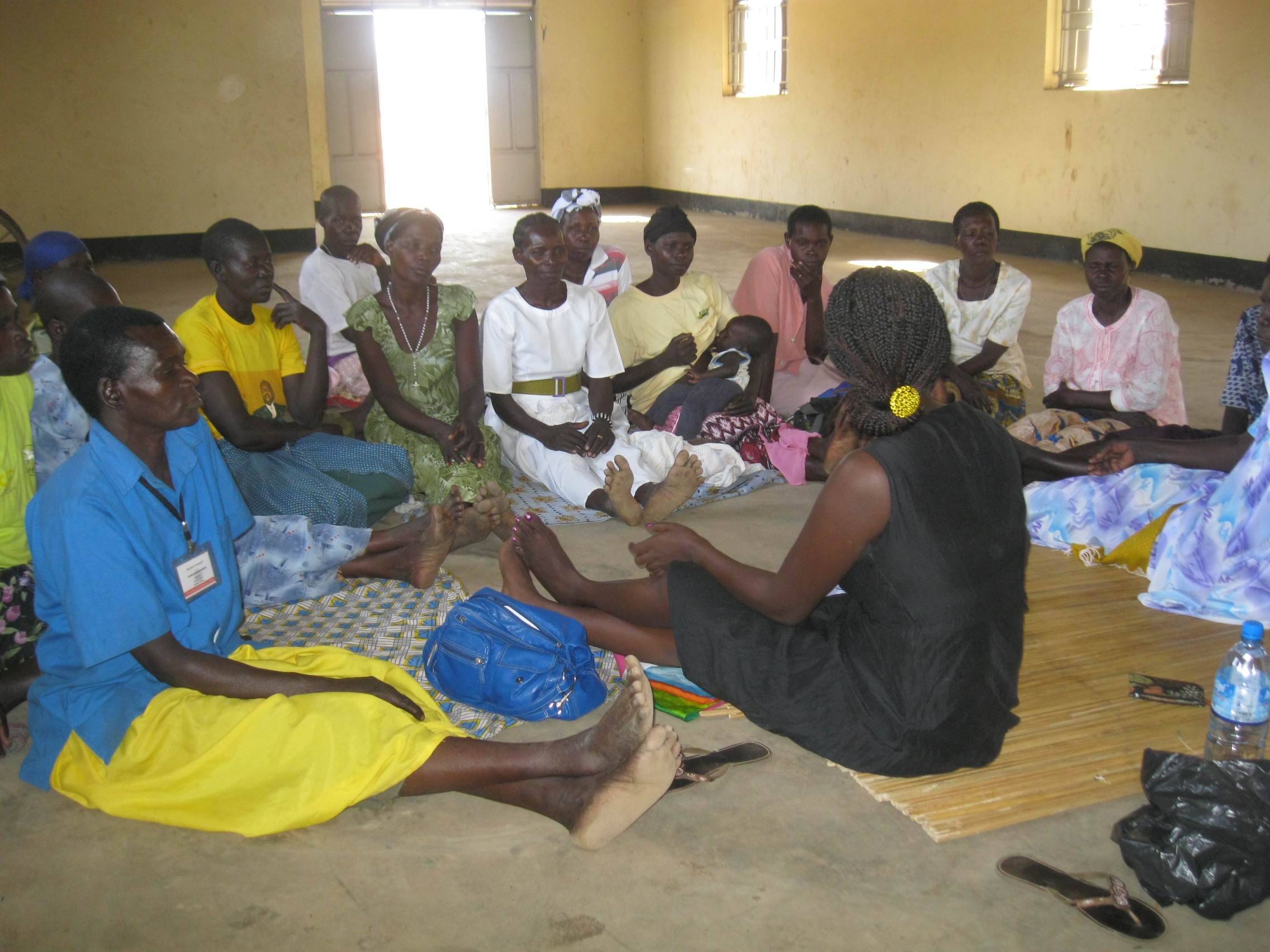
Recognizing the absence of greater North grassroots voices in many of these debates, especially from a gendered perspective, the Justice and Reconciliation Project (JRP) carried out a series of consultations from 21-27 March 2012 in conflict-affected regions of northern Uganda—including West Nile, Lango, Acholi and Teso—to discern the views of those most directly impacted by and benefitting from the Act on its role, achievements and continued relevance. As subsequent sections of this paper reveal, the consultations unveiled mixed views at the grassroots level on the past and present relevance and equity of the Act, yet reached overwhelming general consensus for the renewal of the Act with amendments. Such amendments were seen to better address the justice needs of both victims and perpetrators, while ensuring the sustainability of an already fragile peace.

Draft versions of this brief were circulated prior to the Act’s expiration to inform the Justice, Law and Order Sector’s (JLOS) decision to abolish, renew or renew with amendments Uganda’s Amnesty Act. However, with the JLOS Leadership Committee’s subsequent decision to abolish amnesty, this brief seeks to contribute to the Government of Uganda’s ongoing consultative and policy-making process to integrate elements of conditional amnesty into a national TJ policy.

To read the full briefing, click here.

Published with financial support from UNWOMEN under the Women’s Access to Justice in Conflict and Post-Conflict in Uganda Programme.

Disclaimer: The views represented in this brief do not necessarily represent the views of UN Women.

Categories
Newsletters & Magazines

Voices Magazine Issue 1, 2012 (Amnesty)

Voices Magazine Issue 1, 2012 (Amnesty)

Click here to view.

Voices Iss1 2012 cover
Cover of the first edition of JRP’s Voices magazine

This is the first issue of the Justice and Reconciliation Project’s (JRP) latest publication, Voices magazine. JRP’s mission is to empower conflict-affected communities to participate in processes of justice, healing and reconciliation, and this magazine aspires to do just that. By providing a regular, open platform for victims and key stakeholders to dialogue on local and national transitional justice developments, we will be “sharing victim-centered views on justice and reconciliation in Uganda” each quarter.

The theme of this first issue is amnesty. With Uganda’s Amnesty Act up for expiration, renewal or renewal with amendments on 24 May, we have sought to present the views of the war-affected communities where we operate. In this issue, key stakeholders like Michael Otim of the International Center for Transitional Justice (pg 13), Ismene Nicole Zarifis, International Technical Advisor on TJ for JLOS (pg 6,) and members of the JRP team address the important question: What should be the future of Uganda’s Amnesty Act? Like all of our work, we hope this collection of views contributes to the policy-making process currently taking place in Kampala, and links the grassroots with the decision-makers.

Click here to view.

Note: If printing on a B&W printer, we recommend you print this grayscaled version.

Categories
Reports

2011 Annual Report

This annual report outlines JRP’s accomplishments over the past year and highlights our commitments to bringing grassroots communities together to galvanise efforts for justice and human rights. It outlines key activities from the Community Documentation, Community Mobilization, Gender Justice and Communications departments and is a selection and general overview of our outputs and accomplishments in 2011.

To download the report, click here.

Categories
Statements & Briefs

Moving Forward: Thomas Kwoyelo and the Quest for Justice, Situational Analysis

Kwoyelo Trial 11Nov11
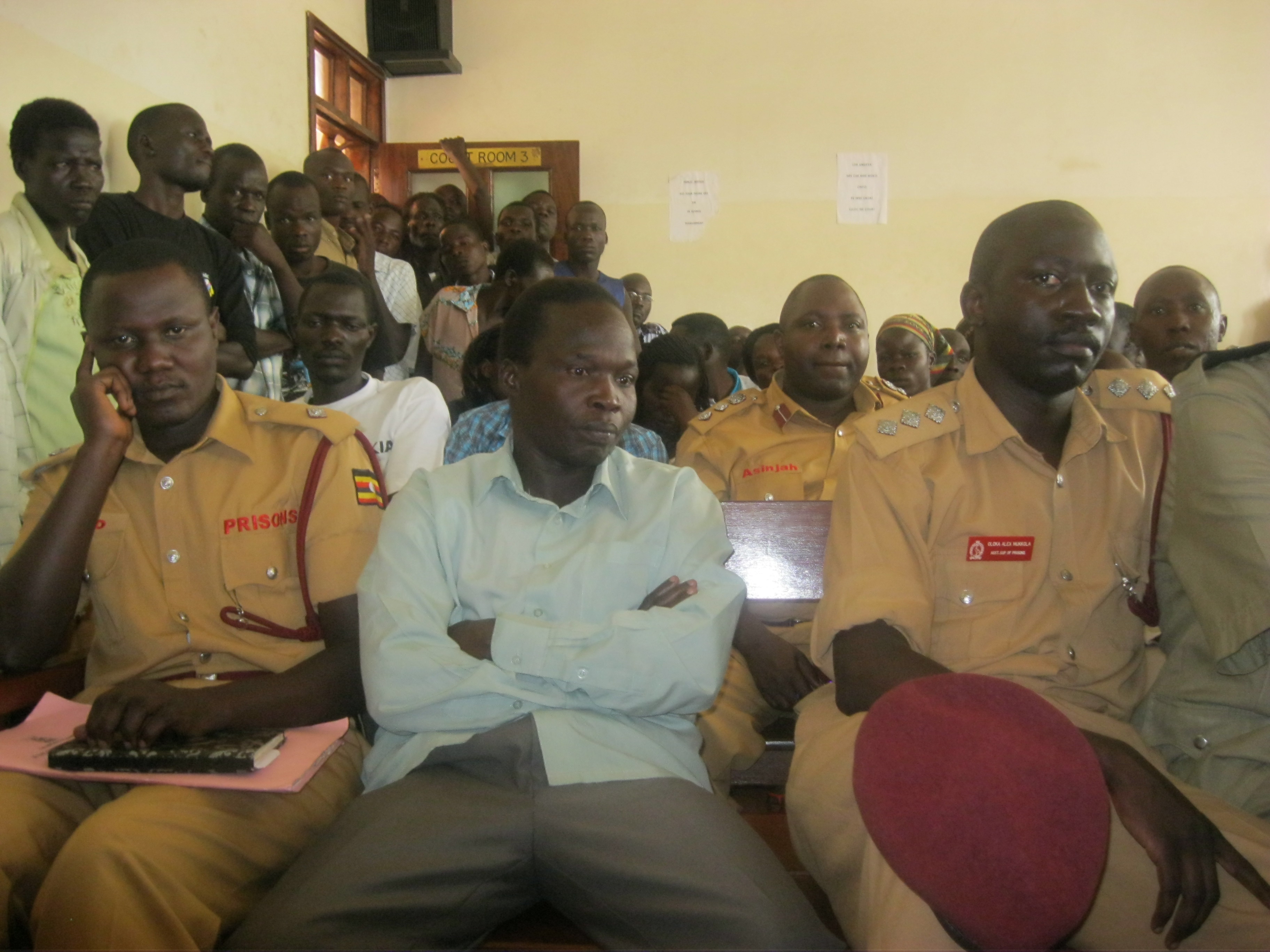
Thomas Kwoyelo during an ICD session in Gulu on November 11, 2011.

Moving Forward: Thomas Kwoyelo and the Quest for Justice
A Rapid Situational Analysis on Perceptions and Opinions for the Way Forward

Read the full analysis here.

Having been charged with 12 substantive counts and 53 alternative counts of war crimes and crimes against humanity, Colonel Thomas Kwoyelo became the first Lord’s Resistance Army (LRA) commander to be charged before Uganda’s International Crimes Division (ICD), which held its first hearings on 11 July 2011. However, on 22 September 2011, Uganda’s Constitutional Court ruled that Colonel Thomas Kwoyelo was entitled to amnesty in line with Uganda’s Amnesty Act of 2000, and ordered his immediate release. This ruling was re-enforced by a Court of Appeal ruling on 10 November 2011 following an appeal to stay his release by the Attorney General. On 11 November 2011, the ICD ceased his trial but referred his release to the Directorate of Public Prosecutions (DPP) and the Amnesty Commission.

While his release is expected soon, questions remain hanging on what should happen to him following his release, and how he should be reintegrated into the community. With this in mind, the Justice and Reconciliation Project (JRP) carried out a rapid situational analysis from 4-8 November 2011 in Pabo sub-county (Amuru district) and Gulu town to gauge the perceptions and opinions regarding the way forward for Thomas Kwoyelo, and what should happen to him in the event that he is released. We spoke with 33 respondents, including local leaders, religious leaders, victims, formerly-abducted persons, and residents of Pabo town, along with members of Kwoyelo’s family and civil society organizations in Gulu town.

The analysis revealed that the situation on the ground, and more specifically in his home area of Pabo, is highly volatile and unpredictable, and opinions regarding his reintegration into the community are widely varied. Furthermore, many of Pabo’s residents – including his family members – feel unprepared, uninformed and confused about how to proceed. This situational analysis presents these perceptions concerning the Constitutional Court ruling and makes recommendations for Kwoyelo’s rehabilitation and reintegration in the event that he is released.

 Read the full analysis here.

Categories
Blog

JRP featured in the September TJI Newsletter

TJI Newsletter Sept 2011 Image
Photos from the September 2011 edition of the TJI newsletter featuring JRP

JRP is featured on page 5 of the University of Ulster’s Transitional Justice Institute’s September newsletter. The mention, which appears in an article on page 5, is related to JRP’s Lindsay McClain receiving a bursary to attend TJI’s 2011 Summer School from June 13-17, 2011. McClain attended the course on public inquires and truth.

To read the full article, click here.

JRP is grateful to TJI for supporting the capacity-building of our staff.

Categories
In the News

“Summer School 2011,” News from TJI, September 2011

JRP is highlighted on page 5 of the Transitional Justice Institute’s September newsletter in an article on the 2011 TJ Summer School. JRP’s Lindsay McClain received a competitive bursary to attend the course on public inquires from June 13-17, 2011. The full article is posted below. To access a PDF of the full newsletter, visit http://www.transitionaljustice.ulster.ac.uk/documents/NewsletterSEPT2011.f or click here.

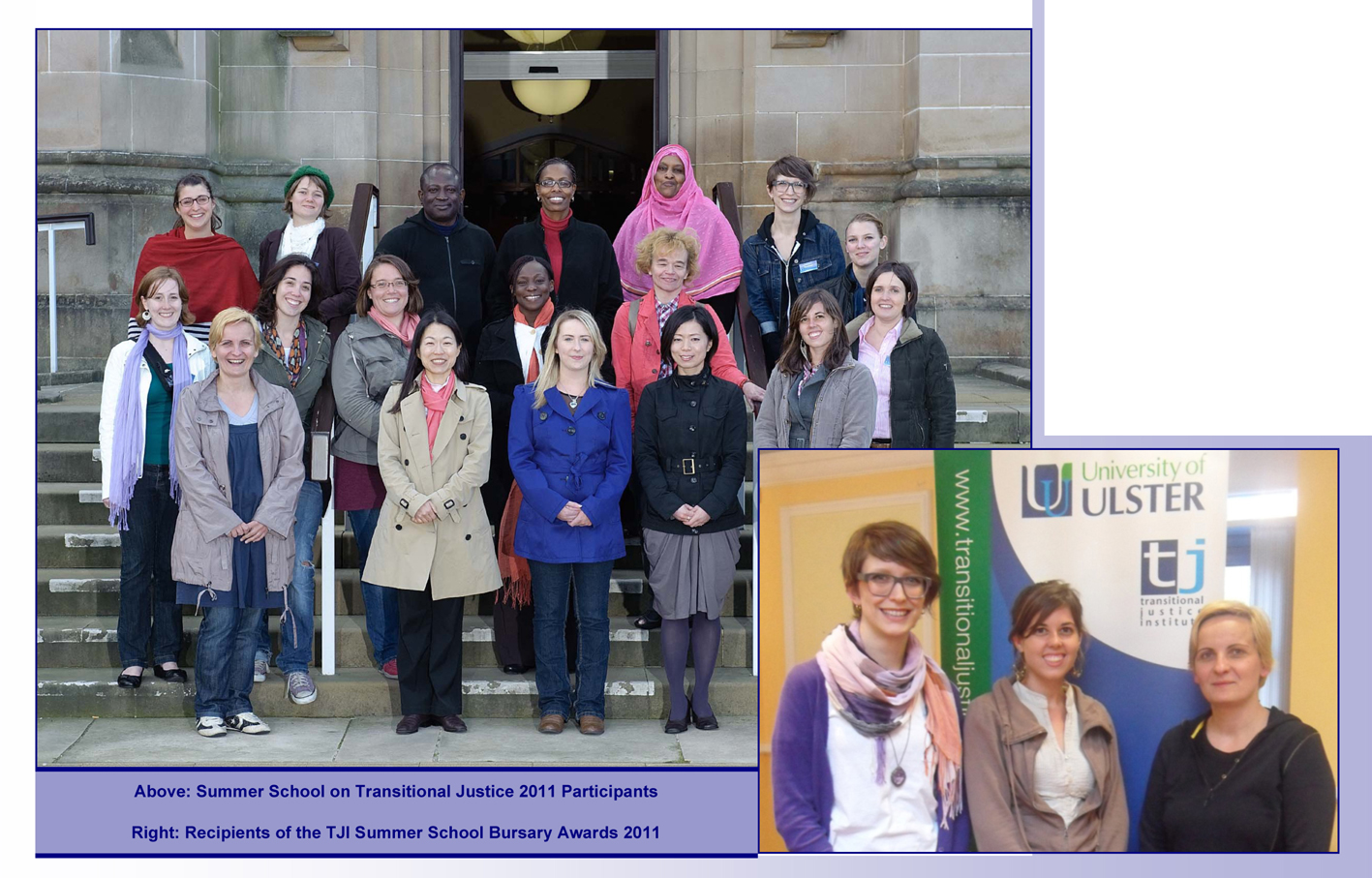
TJI Newsletter Sept 2011 Image
Photos from the September 2011 edition of the TJI newsletter featuring JRP

“Summer School 2011,” News from TJI, September 2011
http://www.transitionaljustice.ulster.ac.uk/documents/NewsletterSEPT2011.pdf

The annual Summer School on Transitional Justice which incorporated two separate programmes: Gender, Conflict and Transition and The Use of Public Inquiries, took place at the Magee campus from 13 to 17 June 2011.

Now in its fourth year, the Summer School continues to attract participants from various conflict and post-conflict states around the world. Participants came from Austria, Bosnia and Herzigovina, Canada, Japan, Kenya, Uganda and US, in addition to representatives from various public bodies and NGOs in Northern Ireland.

The academic component of the programme was complemented by a full social pro-gramme providing the opportunity for participants to get to know a little about the local area – this in-cluded a walking tour of Derry city, a very popular tour to the North Coast, film screenings and a Summer School dinner.

The TJI was delighted to be able to offer bursaries to some participants through a competitive process: Megan Dersnah-Alexandra from the University of Toronto, Gorana Mlinarevic from the University of Sarajevo and Lindsay McClain from the Justice and Reconciliation Project in Uganda (pictured below, right).

The week long residential course provided a dynamic context for the exchange of views and ex-periences between academics, practitioners and students through a combination of interactive lectures, workshops and roundtable discussions on key aspects of transitional justice. Guest speakers on the Gen-der programme included: Dr Fidelma Ashe (UU); Professor Christine Bell (TJI); Claire Hackett (Falls Commu-nity Council); Sari Kouvo (International Center for Transitional Justice); Professor Fionnuala Ní Aoláin (TJI); Dr Catherine O‘Rourke (TJI); Mrs Eilish Rooney (TJI), Ms Aisling Swaine (TJI). Speakers on the Inquiries pro-gramme included: Professor Bill Rolston (TJI); Professor Fionnuala Ní Aoláin (TJI); Professor Christine Bell (TJI); Professor Colm Campbell (TJI); Dr Louise Mallinder (TJI); Professor Phil Scraton (Queen‘s University Belfast); Dr Vicky Conway (Queen‘s University Belfast); Ms Marny Requa (Queen‘s University Belfast); Ms Colleen Smyth (TJI); Mr John Leckey (Senior Coroner for Northern Ireland); Mr Neil Garnham QC; and Ms Caroline Cross (Barrister).